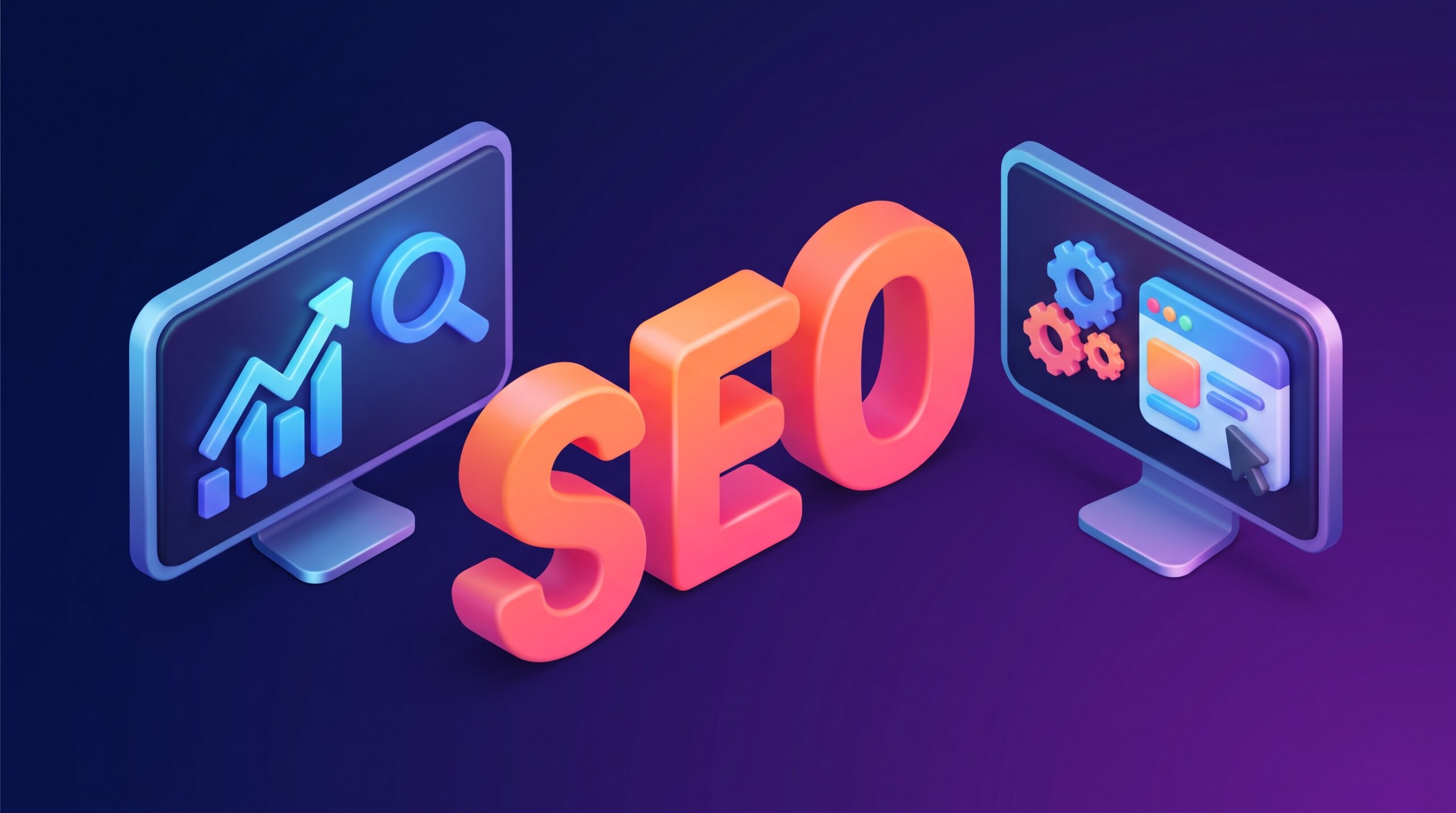
SEO: The Silent Driver of Millions in Enterprise Sales
If you are asking: What is SEO, and how does search engine optimization double your sales? The answer lies in the most powerful growth strategy relied upon by global giants like HubSpot and Ahrefs to secure a sustainable, organic stream of potential clients without draining budgets on temporary ads.
Unlike other marketing channels, search engine optimization sits at the absolute top of digital marketing due to its unique ability to build genuine trust between your brand and target audience through search engines. When executed correctly, you harvest long-term results that fundamentally transform your business performance.
In this comprehensive guide, we take you on a complete journey to reveal how modern search engine optimization works in the AI era, and how you can leverage it to rank first on search engines and turn your website visitors into loyal customers.
What is Search Engine Optimization (SEO) and How Does It Increase Sales?
Imagine you decided to launch a new business and open a physical retail store. First, you need a prime location with high foot traffic. Second, you need a clear storefront sign explaining what you offer. Third—and most importantly—you must build a strong professional network and reputation so customers recommend you to others.
The exact same principles apply to search engine optimization (SEO). You must choose the right “location,” display a clear “storefront sign” that search engines understand, and build a “digital reputation” that makes your website trustworthy and authoritative.
The Right Location: Choosing the actual keywords your audience searches for, rather than what you assume they want.
The Clear Storefront: Structuring your site properly with accurate headings, clear descriptions, valuable content, and a seamless user experience (UX).
The Digital Reputation: High-quality backlinks, authoritative content, and strong user engagement signals—do visitors stay, browse, and return?
Professional search engine optimization is not merely about appearing in search results; it is about showing up in front of the right person, at the exact right moment, with high purchase intent. When that happens, traffic transforms into qualified leads, and leads turn into revenue.
Actionable Steps to Execute Search Engine Optimization Correctly
1. Define Your Target Audience
Begin by identifying your target audience—understand their pain points, anxieties, and the specific problems they need solved. This allows you to craft tailored content designed for human needs rather than just search algorithms.
2. Analyze Competitors
A professional SEO agency focuses deeply on competitor analysis across every stage of search engine optimization. SEO is not just stacking keywords and links; it is staying ahead of your market rivals.
Which keywords are they targeting?
Which pages drive their organic traffic?
What content formats generate their highest engagement?
Where are the unaddressed content gaps in your niche?
Analyzing these insights allows you to build a smart strategy that positions your business at the forefront—not just on search engine results pages (SERPs), but as an industry leader.
3. Choose Keywords Strategically Based on Intent
Keywords are not just spreadsheet lists gathered from SEO tools; they are a direct window into your customer’s mind. Every search query carries specific search intent:
Informational Keywords: Intent to learn.
Comparison Keywords: Intent to evaluate options.
Transactional Keywords: Intent to purchase services.
Ecommerce Keywords: Intent to buy products.
Your goal is not keyword stuffing, but understanding the intent behind every term and structuring content that answers it precisely. Every article should address one clear question and solve one specific search intent built around targeted keywords.
For example: Searching “How to choose the best SEO agency” carries informational/investigational intent. The user is evaluating options rather than buying immediately. Here, direct sales pitches fail; instead, provide evaluation criteria, red flags to avoid, and subtly demonstrate why your agency is the ideal choice.
4. Focus on Human-Centric Content
To generate actual return on investment from search engine optimization, abandon keyword stacking. Always remember: you are writing for real human beings, not just algorithms.
Your audience seeks convincing answers and actionable value to overcome challenges. Write in a clear, structured, and engaging tone. When readers feel your content was tailored specifically for them, they stay, browse, and return. Search engines recognize this engagement and reward your site with higher rankings. Effective search engine optimization is written for the reader first; when users are satisfied, algorithms follow.
5. Optimize Website Speed
Modern web users will not wait more than three seconds for a website to load. Fast page speed establishes a positive first impression that impacts downstream conversion metrics:
Visitors are more likely to complete a purchase.
Users stay longer on your site and explore services.
Prospects reach out to contact your team directly.
How to Optimize Website Speed for Better Search Rankings:
Choose Reliable Hosting: Server performance forms your foundational speed baseline.
Compress Images & Media: Use modern image formats like WebP and enable compression without losing visual quality.
Minify Code & Remove Unused Scripts: Eliminate unnecessary code, delete inactive plugins, and merge CSS and JavaScript files.
Enable Caching: Caching serves stored content instantly to returning visitors.
Utilize a Content Delivery Network (CDN): A CDN reduces geographic latency by serving content from servers closest to the user.
Continuous Performance Testing: Regularly monitor Core Web Vitals using tools like PageSpeed Insights and GTmetrix.
Important Strategic Note: SEO vs. Paid Advertising
Search engine optimization is not an overnight fix; it is a long-term investment in your digital equity. Every optimized page and well-crafted piece of content increases your search visibility, bringing in qualified organic visitors.
In contrast, paid ads deliver immediate visibility to a targeted audience, but remain strictly tied to your budget—once ad spend stops, visibility disappears.
Combining search engine optimization with paid advertising yields optimal performance: ads capture immediate attention, while SEO builds a compound foundation that continues generating results long after ad campaigns end.
Higher Efficiency: Studies show organic search engine optimization frequently outperforms paid ads in long-term conversion rates.
Marketer Preference: Over 70% of marketers consider SEO more effective than paid search advertising.
Long-Term ROI: Organic search offers long-term ROI potential reaching up to 14.6%, compared to 1.7% for traditional outbound channels.
Search Engine Optimization Services at Ad Digitalize
Comprehensive Site & Market Audit: We begin by analyzing your website, industry landscape, and competitors to establish a data-driven baseline.
Targeted Keyword Research: Identifying search terms that reflect genuine buyer intent rather than random automated lists.
On-Page Search Engine Optimization: Optimizing on-page content, heading structures, and metadata to align precisely with user search intent.
Authority & Off-Page SEO: Building high-authority backlinks that enhance domain trust and search engine credibility.
Technical SEO & UX Enhancement: Streamlining site architecture and speed to deliver seamless user experiences that keep visitors engaged.
Continuous Monitoring & Optimization: SEO is an ongoing optimization journey. We continually refine strategies to maintain sustainable growth.
What Search Engine Optimization Achieves for Your Business
When search engine optimization is executed properly, benefits extend directly to business revenue:
Increased organic visibility on Google without total reliance on ad budgets.
Attracting high-intent leads actively searching for your solutions.
Lower long-term marketing acquisition costs compared to continuous paid ad campaigns.
Enhanced brand authority and trust, as top search rankings signal industry credibility.
Higher overall Return on Investment (ROI) across marketing channels.
Sustainable long-term growth in organic web traffic and conversions.
Frequently Asked Questions (FAQ)
What is search engine optimization, and why does my business need it?
Search engine optimization (SEO) is the process of optimizing your website to rank organically on Google without relying entirely on paid advertising. It focuses on attracting high-intent users who are actively searching for your products or services, turning your website into a continuous customer acquisition channel.
How long does it take to rank on Google using SEO?
Search engine optimization is a cumulative process. Initial results typically appear within 3 to 6 months, depending on industry competition, content quality, technical foundation, and keyword strategy.
How do I choose the right search engine optimization agency?
Selecting a professional SEO agency should be based on transparent methodologies rather than unrealistic guarantees. Evaluate agencies on their keyword research frameworks, competitor analysis processes, custom SEO strategies, and reporting standards.